Urine Color Meaning: A Urologist’s Color Chart Guide
Patients constantly rush to the emergency room over harmless pink urine from eating beets, yet dangerously ignore actual bleeding for months. Your urine color is a daily biological report card that reveals exactly how your internal organs are functioning. Here is what I explain in clinic before you flush.

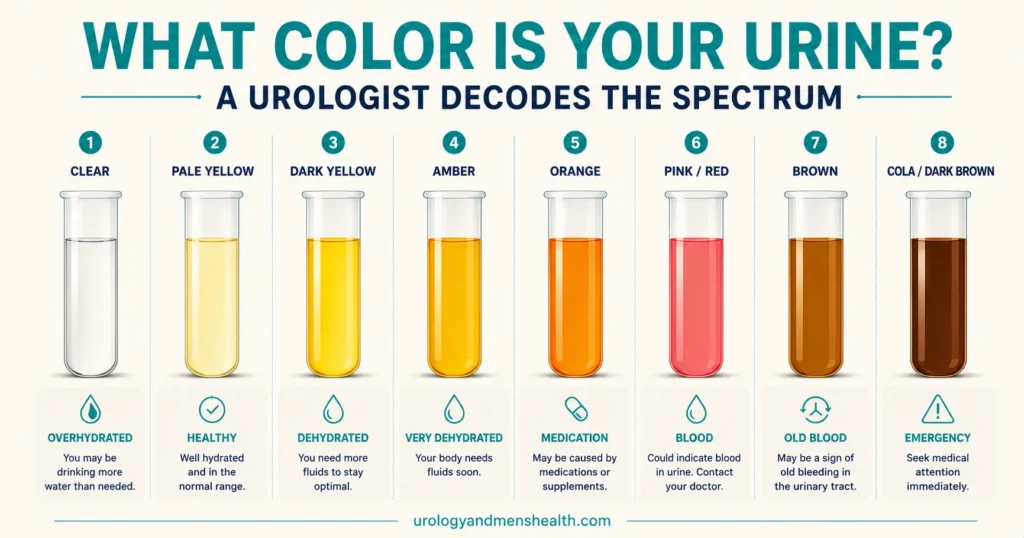
Your urine color meaning is something most people flush away without a second glance — and as a urologist, that is a missed diagnostic opportunity I see every week. A quick look before you flush tells you whether you are dehydrated, whether you are bleeding internally, whether your liver is struggling, or whether a medication is doing exactly what it should.
The problem is that most patients do not know what is normal, what is harmless, and what requires urgent attention. I have seen men in the emergency room terrified by beetroot-pink urine, and I have seen others ignore genuinely bloody urine for months because they assumed it was “just concentrated.” Both extremes cause harm — one wastes resources, the other can delay a curable cancer diagnosis.
Here is the clinical guide to what every shade actually means, what is causing it, and exactly when you need to act.
Key Takeaways
- Pale straw yellow is the target — clearer than that means you are over-hydrating; darker means you need to drink more.
- Any visible blood in urine demands urological investigation, even a single episode that resolves. Painless hematuria in a man over 50 is bladder cancer until proven otherwise.
- Cola-colored urine after intense exercise can be rhabdomyolysis — a medical emergency that can cause acute kidney injury within hours.
- Beetroot can mimic blood in roughly 10–14% of people who eat it. When in doubt, a urine dipstick test settles the question in minutes.
- Rifampicin, nitrofurantoin, phenazopyridine, and B vitamins commonly change urine color harmlessly — ask your prescriber what to expect before you panic.
- Persistent foamy urine warrants an albumin-to-creatinine ratio test — especially if you have diabetes or hypertension.
Healthy Urine Color Meaning: The Normal Spectrum
Clear / colorless urine
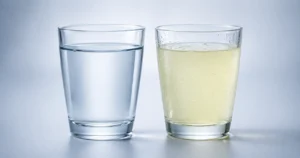
Completely clear urine means you are drinking more fluid than your kidneys need to excrete. While not harmful in the short term, consistently clear urine suggests over-hydration. This can dilute sodium levels in the blood, and in extreme cases cause hyponatremia — a potentially dangerous condition that has been documented in marathon runners and people drinking very large volumes (more than 4 liters / 135 fl oz) of plain water in a short window. You do not need to drink until your urine is clear; pale yellow is the target. If your urine is always clear, you can safely reduce your fluid intake slightly.
Pale straw yellow — the gold standard
This is what healthy, well-hydrated urine looks like. The yellow color comes from urochrome (also called urobilin) — a pigment produced from the breakdown of hemoglobin in red blood cells. When you are adequately hydrated, urochrome is diluted to a light straw color. This is the color I tell every patient to aim for — it means your kidneys are filtering properly and your fluid intake is appropriate [1].
Dark yellow / amber
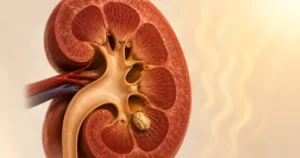
Dark yellow to amber urine is the most common color I am asked about — and the answer is almost always simple: you are not drinking enough. Concentrated urine means less water is diluting the urochrome pigment. First-morning urine is typically darker because you have not consumed fluid overnight — this is normal. But if your urine is dark throughout the day, it is a signal to increase fluid intake. For kidney stone formers, persistently concentrated urine is a direct risk factor for crystal formation; the AUA recommends a daily urine output of at least 2.5 liters (about 85 fl oz) for stone prevention [2].
➡️ Related Read: Hydration and Kidney Health — The Water Myth vs What Science ShowsIf you want a structured way to track your daily hydration against your urine color, our Urine Color Decoder walks you through the spectrum with personalized guidance based on your readings.
The Warning Colors: When to Pay Attention
Orange urine
Orange urine has several possible causes, ranging from completely benign to medically significant.
Dehydration — severely concentrated urine can appear orange rather than amber. This is the most common cause and resolves with increased fluid intake.
Medications — rifampicin (used for tuberculosis) turns urine bright orange-red. Phenazopyridine (a urinary analgesic often prescribed for UTI burning, sold in the US as Pyridium or AZO) produces a vivid orange. Warfarin can cause orange discoloration. Patients starting these medications should be warned in advance to prevent unnecessary anxiety.
Liver or bile duct problems — if orange urine is accompanied by pale-colored stools and yellowing of the skin or eyes (jaundice), it may indicate a bile duct obstruction. Bilirubin — normally excreted through the bowel — is diverted into the urine instead, turning it orange-brown. This needs urgent medical assessment [3].
Pink or red urine
This is the color that causes the most alarm — and rightly so, in most cases. Pink or red urine can mean blood (hematuria), but not always.
Hematuria (blood in urine) — the most important cause to exclude. Even a tiny amount of blood — as little as 1 mL in a full bladder — can make urine visibly pink. Hematuria has many causes: kidney stones, urinary tract infections, bladder cancer, kidney cancer, prostate problems, and kidney disease. Any episode of visible blood in urine requires investigation — no exceptions. Even if it happens once and resolves on its own, the 2020 AUA microhematuria guideline still recommends imaging (typically CT urogram) and cystoscopy to rule out malignancy, particularly in men over 35 [4]. Painless hematuria in a man over 50 is bladder cancer until proven otherwise. You can read more in our companion guide on the seven causes of blood in urine.
Beetroot — eating beets can turn urine pink or red within hours. This is called beeturia and is completely harmless, affecting roughly 10–14% of the population. The pigment (betanin) passes through the kidneys unchanged in susceptible people. If your urine turned pink within 12–24 hours of eating beets or drinking beet juice, that is very likely the cause. But if there is any doubt — particularly if it persists beyond 48 hours — see your doctor and get a dipstick.
Intense exercise — marathon runners and endurance athletes can develop exercise-induced hematuria from repeated bladder wall trauma during running, or from rhabdomyolysis in extreme cases. The benign form typically resolves within 48–72 hours. If it persists beyond this, investigation is needed.
➡️ Related Read: Blood in Urine (Hematuria) — The 7 Causes Every Man Must KnowThe Danger Colors: Seek Medical Attention
Brown or cola-colored urine
Brown urine should prompt medical attention. The possible causes include:
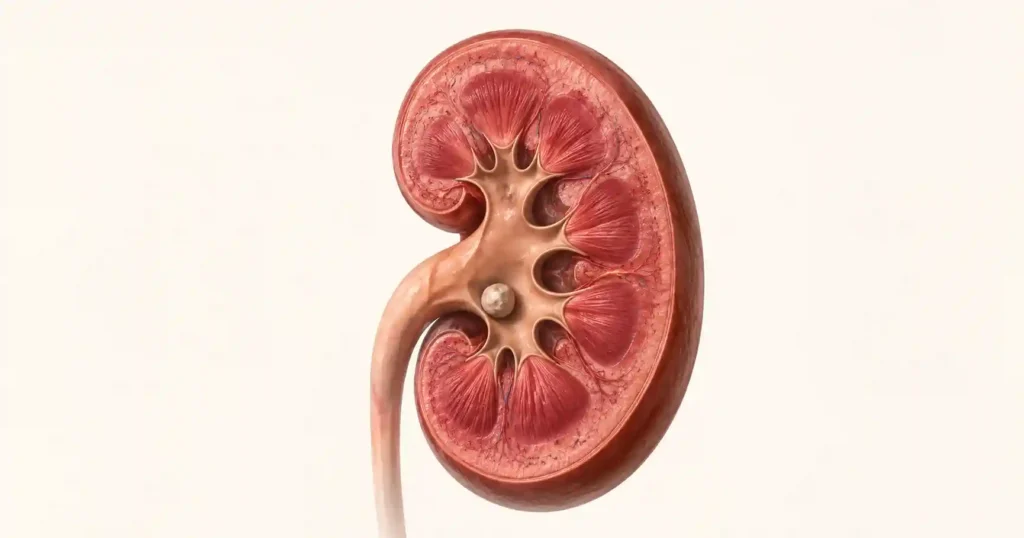
Old blood (hematuria) — when blood has been sitting in the urinary tract for some time, the hemoglobin oxidizes and turns brown rather than red. This pattern can indicate bleeding from the kidneys rather than the bladder, since blood from the upper tract has further to travel and more time to oxidize. A renal mass or kidney cyst can present this way; our guide on kidney masses and when to worry about renal cell carcinoma explains the workup.
Severe dehydration — extremely concentrated urine can appear brownish. This is more common in hot climates or after intense physical activity without adequate fluid replacement.
Rhabdomyolysis — the breakdown of skeletal muscle releases myoglobin into the bloodstream, which is filtered by the kidneys and turns urine dark brown or tea-colored. This is a medical emergency because myoglobin can damage the kidneys directly, causing acute kidney injury. Rhabdomyolysis occurs after crush injuries, extreme exertion (CrossFit “rhabdo” cases are well documented), certain medications (statins in rare cases), and heat stroke [5]. If you have brown urine after a punishing workout, go to the emergency room — do not wait.
Liver disease — when the liver cannot process bilirubin properly, excess bilirubin spills into the urine, producing a brown color. This is often accompanied by jaundice and pale stools.
Milky or cloudy urine
Cloudy urine is commonly caused by urinary tract infection — the cloudiness comes from white blood cells, bacteria, and cellular debris. It is often accompanied by burning on urination, frequency, and urgency. Phosphaturia (excess phosphate crystals) can also cause harmless cloudiness, particularly after eating a large meal. If cloudy urine is persistent, accompanied by symptoms, or foul-smelling, a urine culture is indicated.
Blue or green urine
Genuinely blue or green urine is rare but does occur. Methylene blue (used in certain diagnostic procedures) turns urine blue. Amitriptyline and indomethacin can produce green urine. Pseudomonas bacterial infections produce a green pigment (pyocyanin) that can tint urine green. Food dyes in large quantities — popsicles, sports drinks — can also be responsible. Blue or green urine is almost always explainable by a specific medication or exposure [6].
In My Practice
The most common urine color question that walks into my clinic is dark amber urine — and 9 times out of 10 it is dehydration, particularly in men working outdoor jobs through the summer. What worries me more is the opposite pattern: men in their 50s and 60s who saw one episode of pink urine three months ago, decided it was “probably the beets,” and never came back. Painless, single-episode hematuria is the most common presentation of bladder cancer in men of that age, and it is also the presentation most often dismissed by patients and their primary care doctors. When a man over 50 tells me he had pink urine once and it never came back, I order the CT urogram and the cystoscopy the same week — not because I expect to find cancer, but because waiting for a second episode means waiting until the tumor is large enough to bleed reliably.
The lesson I give every patient: one episode of visible blood in urine deserves the same workup as ten episodes. The disease does not care how often you see it.
Urine Color as a Hydration Monitor (For Stone Formers)
For patients with a history of kidney stones, I use urine color as the simplest daily compliance check for hydration. The target is pale straw yellow — not clear, not dark. I tell patients to check their urine color every time they use the toilet and adjust their fluid intake accordingly.
This is far more practical than measuring exact fluid volume. A person’s fluid needs vary with climate, physical activity, body size, and diet — a blanket “drink 3 liters a day” recommendation does not account for individual variation. But urine color is a real-time output measure: it tells you whether your kidneys are receiving enough fluid right now, regardless of how many ounces you have consumed.
For stone formers, I recommend particularly monitoring first-morning urine (which is always more concentrated) and evening urine. If your urine is consistently dark yellow by the evening, you are not maintaining adequate hydration through the day — this is the highest-risk window for crystal formation, compounded by overnight concentration during sleep [2].
➡️ Related Read: Kidney Stones — Complete Guide from a UrologistMedications and Foods That Change Urine Color (No Need to Worry)
The following are well-documented, harmless causes of urine color change. If you are taking any of these and notice a color shift, it is expected and not a cause for concern.
Common medications
- Rifampicin (TB treatment) — orange-red urine, sweat, and tears. Expected and harmless.
- Phenazopyridine (Pyridium / AZO, UTI pain relief) — vivid orange.
- Nitrofurantoin (Macrobid, UTI antibiotic) — rust or brown.
- Metronidazole (Flagyl) — dark or reddish-brown.
- Methylene blue (diagnostic dye) — blue or blue-green.
- Warfarin (Coumadin, blood thinner) — orange tinge.
- Senna (laxative) — pink or reddish-brown.
Common foods and supplements
- Beetroot / beet juice — pink to red within hours.
- Carrots (large amounts) — orange tinge.
- Blackberries, rhubarb, blueberries — pink or red.
- B-complex vitamins (B2 / riboflavin) — bright fluorescent yellow.
- Asparagus — green tinge and the characteristic odor.
- Fava beans (large amounts) — brown.
- Food dyes (sports drinks, popsicles) — blue, green, or red, depending on dye.
All of the above resolve when the medication is stopped or the food has cleared the system — typically within 24 to 48 hours.
Foamy or Bubbly Urine: When Protein Is Leaking
Persistent foam in urine — not just the temporary bubbles caused by a forceful stream hitting the water — can indicate proteinuria (protein in the urine). Healthy kidneys filter protein back into the bloodstream and keep it out of urine. When the glomerular filtration barrier is damaged — by diabetes, high blood pressure, or kidney disease — protein leaks into the urine and creates persistent foam (similar to how egg whites foam when whisked).
Occasional foamy urine after a concentrated or forceful void is normal. Persistent, reproducible foam that does not dissipate within a minute warrants a urine albumin-to-creatinine ratio (UACR) test. This is particularly relevant for men with diabetes or hypertension, where proteinuria is an early marker of kidney damage and an independent cardiovascular risk factor [7].
Urine Odor: What It Adds to the Picture
Strong ammonia smell — usually concentrated, dehydrated urine. The ammonia comes from bacteria breaking down urea. Increase fluid intake.
Sweet or fruity smell — can indicate uncontrolled diabetes. When blood glucose is very high, the kidneys excrete glucose and ketones, which produce a characteristic sweet or fruity odor. If you notice this and have not been diagnosed with diabetes, check your blood sugar.
Foul or fishy smell — strongly suggests a urinary tract infection. Bacteria in infected urine produce volatile compounds that create a pungent smell. This usually accompanies other UTI symptoms: burning, frequency, and cloudiness.
Asparagus — roughly 40% of people produce a sulfurous odor after eating asparagus, due to the metabolism of asparagusic acid. About 60% can smell it (also genetically determined). Harmless, resolves within hours [8].
When to See a Doctor — Urgently
- Any visible blood in urine (pink, red, or brown) — requires imaging and cystoscopy, even if it occurs only once and resolves on its own.
- Cola or tea-colored urine after intense exercise, a crash injury, or heat stroke — may indicate rhabdomyolysis, which can cause acute kidney injury and needs ER assessment.
- Orange or brown urine with pale stools and jaundice — suggests bile duct obstruction or liver disease requiring urgent assessment.
- Persistent foamy urine — may indicate proteinuria from kidney damage, especially in patients with diabetes or hypertension.
- Foul-smelling cloudy urine with fever and flank pain — suggests UTI that may have progressed to the kidneys (pyelonephritis) and needs antibiotics within hours.
Worried about a stone coming back? Download Dr. Khalid’s 7-Day Kidney Stone Prevention Meal Plan.
Enter your email below to receive Dr. Khalid’s complete 7-Day Kidney Stone Prevention Meal Plan as a free, printable PDF.
Frequently Asked Questions
What does urine color mean if it stays dark all day, even when I drink water?
If your urine stays dark amber from morning to night despite drinking what feels like enough water, two things may be happening. First, you may be losing more fluid than you are taking in — common in hot weather, after exercise, or with diuretic medications and caffeine. Second, very concentrated dark urine can also occur with liver disease (excess bilirubin) or with old blood from the upper urinary tract. If the color does not respond to 24 to 48 hours of deliberately increased fluid (aim for 2.5 liters / 85 fl oz / 10 cups), get a urine dipstick. You can also check our Urine Color Decoder for a quick assessment.
Should clear urine worry me?
Not in the short term — it simply means you are drinking more fluid than your body needs at that moment. But if your urine is consistently clear throughout the day, you may be over-hydrating. Excessive plain water intake can dilute sodium levels (hyponatremia), which in severe cases causes confusion, seizures, and can be dangerous — this has been documented in marathon runners and people on water-loading regimens. The ideal target is pale straw yellow, not colorless. If you are a kidney stone former, pale yellow is just as protective as clear. You can read more in our hydration guide.
My urine is bright neon yellow — is that normal?
Almost certainly yes. Bright fluorescent yellow urine is caused by riboflavin (vitamin B2), which is present in B-complex supplements, multivitamins, and energy drinks like Red Bull and Monster. Riboflavin is water-soluble — any amount your body does not absorb is excreted through the kidneys, producing a vivid yellow that can look alarming but is completely harmless. It resolves when you stop taking the supplement. Some kidney stone prevention supplements contain B vitamins too.
I saw blood in my urine once, but it has not come back — do I still need to see a doctor?
Yes. A single episode of visible hematuria requires full urological investigation. Bladder cancer, kidney cancer, and other serious conditions can cause intermittent bleeding that appears once, resolves, and does not recur for weeks or months. The 2020 AUA microhematuria guideline recommends a CT urogram and cystoscopy (a camera examination of the bladder) for any episode of visible blood in a man over 35. Waiting for a second episode before seeking help can delay diagnosis of a curable cancer. Read our full guide on the seven causes of blood in urine.
Can dehydration make urine look like blood?
Severe dehydration can produce very dark amber or brownish urine, which some patients mistake for blood. But true hematuria typically appears pink, red, or tea/cola-colored and often has a different character than simply concentrated urine. If you are unsure, a simple urine dipstick test (available at any pharmacy in the US for about $10) can detect red blood cells within minutes. When in doubt, get tested rather than guessing. You can also check the spectrum with our Urine Color Decoder.
Why does my urine smell different after eating certain foods?
Certain foods contain compounds that are metabolized into volatile substances excreted in urine. Asparagus is the most well-known example — asparagusic acid is broken down into sulfur-containing compounds that produce a strong odor within 15 to 30 minutes of eating. About 40% of people produce the odor, and not everyone can smell it (also genetically determined). Coffee, garlic, curry, and Brussels sprouts can also alter urine smell temporarily. These are all harmless. Persistent foul-smelling urine without a clear food trigger, however, warrants a UTI workup.
References
- Perrier ET, Bottin JH, Vecchio M, Lemetais G. Urine color change as an indicator of change in daily water intake: a quantitative analysis. Eur J Nutr. 2016;55(5):1943–1949. PubMed
- Pearle MS, Goldfarb DS, Assimos DG, et al. Medical management of kidney stones: AUA guideline. J Urol. 2014;192(2):316–324. AUA
- Simerville JA, Maxted WC, Pahira JJ. Urinalysis: a comprehensive review. Am Fam Physician. 2005;71(6):1153–1162. PubMed
- Barocas DA, Boorjian SA, Alvarez RD, et al. Microhematuria: AUA/SUFU guideline. J Urol. 2020;204(4):778–786. AUA
- Bosch X, Poch E, Grau JM. Rhabdomyolysis and acute kidney injury. N Engl J Med. 2009;361(1):62–72. PubMed
- Foot CL, Fraser JF. Uroscopic rainbow: modern matula medicine. Postgrad Med J. 2006;82(964):126–129. PubMed
- Kidney Disease: Improving Global Outcomes (KDIGO) CKD Work Group. KDIGO 2024 clinical practice guideline for the evaluation and management of CKD. Kidney Int. 2024;105(4S):S117–S314. KDIGO
- Mitchell SC. Food idiosyncrasies: beetroot and asparagus. Drug Metab Dispos. 2001;29(4 Pt 2):539–543. PubMed
Dr. Muhammad Khalid
MBBS · FCPS (Urology) · MCPS (General Surgery) · CHPE · CRSM · IMC #539472
Specialist urologist with 11+ years of clinical experience across tertiary teaching hospitals. Trained at Lady Reading Hospital and Khyber Teaching Hospital, Peshawar. Author or co-author of five peer-reviewed international publications, including in Cureus and the World Journal of Surgery. Procedural expertise: URS, PCNL, RIRS, TURP, TURBT, and major open urological surgery. Full profile →
This article is for educational purposes only and does not constitute medical advice. Always consult your physician or urologist for diagnosis and treatment decisions specific to your condition.