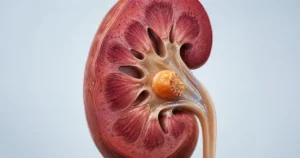
Electrolytes vs Water for Kidney Stones: What Helps
Sports drinks and electrolyte powders promise better hydration — but for kidney stones, the evidence points somewhere much simpler. Here's what actually lowers your risk, and what quietly raises it.

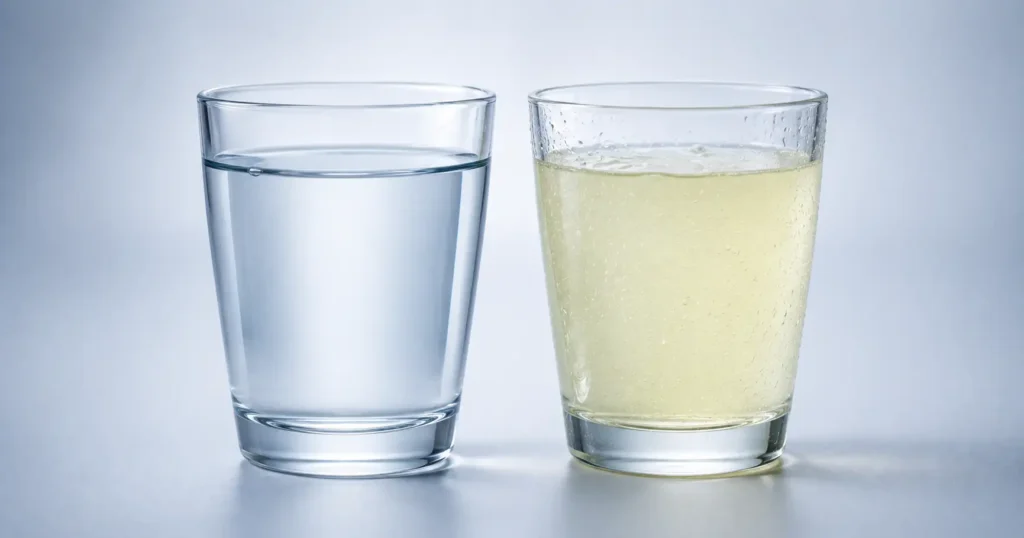
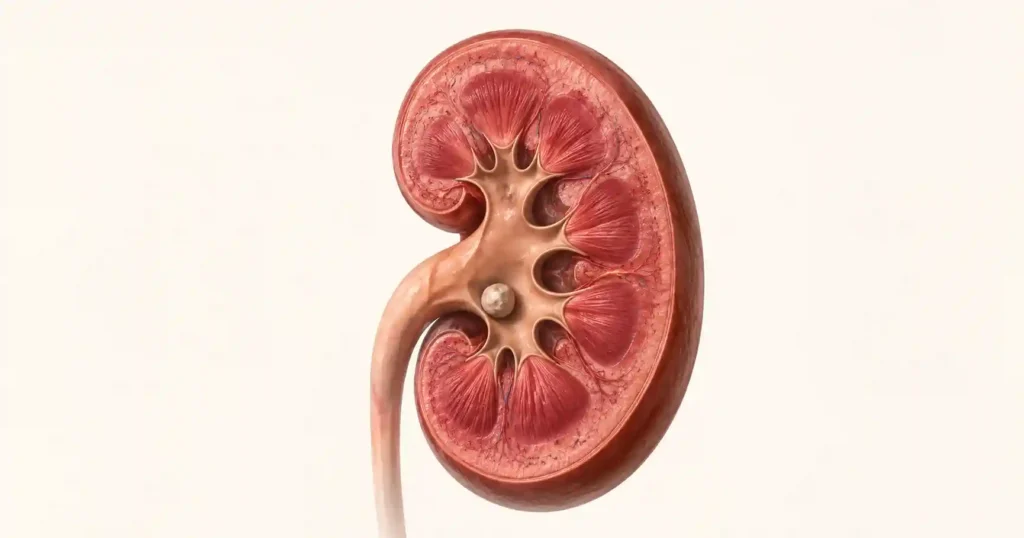
Electrolytes vs water for kidney stones is one of the most common questions I get in clinic, and supplement marketing has made a simple answer feel complicated. Patients arrive with electrolyte powders, mineral waters, and sports drinks, convinced plain water somehow is not enough to protect their kidneys. The truth is more useful than any product label: for stone prevention, how much you drink matters far more than what brand of water it is — and some popular “hydration” drinks actively work against you. For the bigger picture on prevention, our Kidney Stones Hub pulls the full protocol together. Below, I’ll walk through what the evidence says about electrolyte drinks, which minerals genuinely lower stone risk, which ones raise it, and exactly what I tell my own patients to put in their glass.
Key Takeaways
- Total fluid volume is what prevents stones. The AUA target is a urine output of at least 2.5 liters a day (about 85 fl oz), which usually means drinking close to 3 liters — the type of water barely matters next to the amount.
- Most electrolyte and sports drinks are the wrong tool. Their added sodium and sugar can raise urinary calcium and stone risk, cancelling out the benefit of the extra fluid.
- Citrate is the electrolyte that helps. Found in lemon and lime juice and in prescription potassium citrate, it binds calcium in the urine and blocks stones from forming.
- For most people, plain water plus a daily squeeze of fresh citrus is a better stone-prevention drink than any branded electrolyte product.
For Kidney Stones, It’s the Volume — Not the Brand of Water
The single most important number in stone prevention is your urine output. The American Urological Association advises every stone former to drink enough to produce at least 2.5 liters of urine a day (about 85 fl oz, roughly 11 cups), which for most people means drinking close to 3 liters of fluid (about 100 fl oz) across the day [1]. This is not a soft suggestion. In a 5-year randomized trial, stone formers who pushed their fluid intake had their recurrence rate fall from 27% down to 12% compared with those who did not [3].
Notice what those studies measured: volume, not brand. Plain tap water that hits your urine target protects you just as well as expensive mineral water or an electrolyte blend. The mineral content of the water itself is a rounding error next to the amount. If you want a deeper look at why the type of water matters less than the amount you drink, I cover the common water myths there. The practical takeaway is blunt: a person drinking 3 liters of plain water is far better protected than someone sipping 1 liter of premium electrolyte water.
Where Electrolyte and Sports Drinks Quietly Backfire
Here is where the marketing and the medicine part ways. The two ingredients that make many electrolyte and sports drinks taste good — sodium and sugar — are the same two that raise stone risk. High dietary sodium pulls calcium out of your blood and into your urine: urinary calcium climbs by roughly 40 mg for every extra 2,300 mg of sodium (about 1 teaspoon of salt) you take in [4]. More calcium in the urine means more raw material for calcium stones, which are the most common type [1].
Sugar is the second problem. In a large Harvard cohort study, sugar-sweetened cola was linked to a 23% higher stone risk and sugar-sweetened non-cola drinks to a 33% higher risk [2]. The fructose in those drinks increases urinary calcium and uric acid. This sodium effect is not just a kidney issue — the same sodium that drives stones also pushes your blood pressure up, which is why I treat the two problems as one conversation. An electrolyte drink after a hard workout is fine. A daily sports-drink habit, taken as “good hydration,” works against your kidneys on two fronts at once.
Worried about a stone coming back? Download Dr. Khalid’s 7-Day Kidney Stone Prevention Meal Plan.
Enter your email below to receive Dr. Khalid’s complete 7-Day Kidney Stone Prevention Meal Plan as a free, printable PDF.
The Electrolytes That Actually Lower Stone Risk
Not every electrolyte is the enemy. Three of them genuinely help, and they are not the ones on the front of a sports-drink bottle.
Citrate — the one that blocks stones
Citrate is the most useful electrolyte for a stone former. It binds calcium in the urine so the calcium cannot link up with oxalate to form a crystal, and it raises urine pH. Lemon and lime juice are rich natural sources, and the AUA specifically advises people with low urinary citrate to increase their intake of fruits and vegetables and citrus [1]. This is also why orange juice was tied to a 12% lower stone risk in that same cohort study, while sugary sodas went the other way [2].
Potassium and calcium — protective when they come from the right place
Potassium-rich diets track with lower stone risk, partly because potassium often travels alongside citrate in fruits and vegetables. Dietary calcium is the most misunderstood one: many patients cut calcium to avoid “calcium” stones, which is exactly backwards. Calcium in your food binds oxalate in the gut before it ever reaches the kidney, so the AUA recommends maintaining 1,000–1,200 mg of dietary calcium per day [1]. The hard-water calcium in your tap is part of that intake, not a threat. For how all of this fits into meals, see my full kidney stone diet protocol.
In My Practice
I once had a patient who had switched entirely to an expensive electrolyte water, drinking maybe a liter a day, and was baffled that he had passed two more stones that year. When we looked at it together, the problem was obvious: he had traded volume for branding. He was drinking less total fluid than before, and his “upgrade” had quietly added sodium.
The fix was almost insultingly simple — plain water to volume, a squeezed lemon in the morning glass — and he has not formed a stone since.
What I Actually Tell Patients to Drink
My advice fits on an index card. Make plain water your base and drink enough that your urine stays pale straw in color for most of the day. Add a daily squeeze of fresh lemon or lime for the citrate. Skip sugary sports drinks and colas as everyday beverages. If you sweat heavily — manual work, endurance training, a hot climate — an electrolyte drink has a real role in replacing what you lose, but choose a lower-sugar, lower-sodium option and treat it as a supplement on high-output days, not your main fluid.
- Base: plain water, enough to keep urine pale straw all day.
- Add: the juice of half a lemon or lime daily for citrate.
- Limit: sugary sports drinks, cola, and energy drinks.
- Reserve electrolyte drinks for genuine heavy sweating, and pick the low-sugar, lower-sodium versions.
One caveat: the ideal mix depends on your stone type and your 24-hour urine results. A person with uric acid stones and very acidic urine benefits more from citrate than someone whose only problem is low volume. If you are not sure where to start, estimate your daily fluid target and build the habit from there before spending a cent on supplements.
When Added Electrolytes Can Be Risky
Loading up on electrolytes is not safe for everyone. Talk to your doctor before adding electrolyte or potassium-heavy drinks if any of these apply to you:
- You have chronic kidney disease or reduced kidney function — your kidneys may not clear extra potassium and sodium safely.
- You have heart failure or have been told to restrict fluid or salt.
- You take a potassium-sparing diuretic, an ACE inhibitor, or an ARB, which can raise blood potassium.
- You develop sudden severe flank pain, blood in the urine, fever, or vomiting — that is a reason to seek urgent care, not to drink more electrolytes.
Frequently Asked Questions
Is electrolyte water better than plain water for kidney stones?
For most stone formers, no. What protects your kidneys is the total volume you drink, not the minerals added to it. Plain water that gets your urine output to around 2.5 liters a day does the job as well as any branded electrolyte water. You can estimate your own daily target with our hydration calculator.
Do sports drinks cause kidney stones?
Sugary sports drinks can raise your risk. In a large Harvard cohort, sugar-sweetened cola was linked to a 23% higher stone risk and sugar-sweetened non-cola drinks to a 33% higher risk [2]. The added sugar and sodium are the problem, not hydration itself. An occasional sports drink after heavy exercise is fine; a daily habit is not.
Does adding lemon to water actually prevent kidney stones?
It can, especially if your urine citrate is low. Lemon and lime juice are rich in citrate, which binds calcium in the urine and blocks crystals from clumping into stones [1]. A daily squeeze of fresh citrus is a cheap, low-risk addition. It is not a replacement for prescribed potassium citrate if your urologist has ordered it.
How much water do I really need to prevent kidney stones?
Aim for a urine output of at least 2.5 liters a day, which usually means drinking close to 3 liters (about 100 fl oz) spread across the day [1]. Heat, exercise, and sweating push that number higher. The simplest check is urine color: pale straw means you are on target, dark yellow means drink more.
Can I drink electrolyte drinks if I sweat heavily or live somewhere hot?
Yes, and this is the one situation where they earn their place. Heavy sweating loses both fluid and sodium, and an electrolyte drink can help you replace what you lost and keep urine volume up. Choose a low-sugar, lower-sodium option, and treat it as a supplement to water on hot or high-output days, not your everyday drink.
References
- Pearle MS, Goldfarb DS, Assimos DG, et al. Medical Management of Kidney Stones: AUA Guideline. J Urol. 2014;192(2):316-324. AUA
- Ferraro PM, Taylor EN, Gambaro G, Curhan GC. Soda and Other Beverages and the Risk of Kidney Stones. Clin J Am Soc Nephrol. 2013;8(8):1389-1395. PubMed
- Borghi L, Meschi T, Amato F, et al. Urinary volume, water and recurrences in idiopathic calcium nephrolithiasis: a 5-year randomized prospective study. J Urol. 1996;155(3):839-843. PubMed
- Massey LK, Whiting SJ. Dietary salt, urinary calcium, and kidney stone risk. Nutr Rev. 1995;53(5):131-139. PubMed
Dr. Muhammad Khalid
MBBS · FCPS (Urology) · MCPS (General Surgery) · CHPE · CRSM · IMC #539472
Specialist urologist with 11+ years of clinical experience across tertiary teaching hospitals. Trained at Lady Reading Hospital and Khyber Teaching Hospital, Peshawar. Author or co-author of five peer-reviewed international publications, including in Cureus and the World Journal of Surgery. Procedural expertise: URS, PCNL, RIRS, TURP, TURBT, and major open urological surgery. Full profile →
This article is for educational purposes only and does not constitute medical advice. Always consult your physician or urologist for diagnosis and treatment decisions specific to your condition.